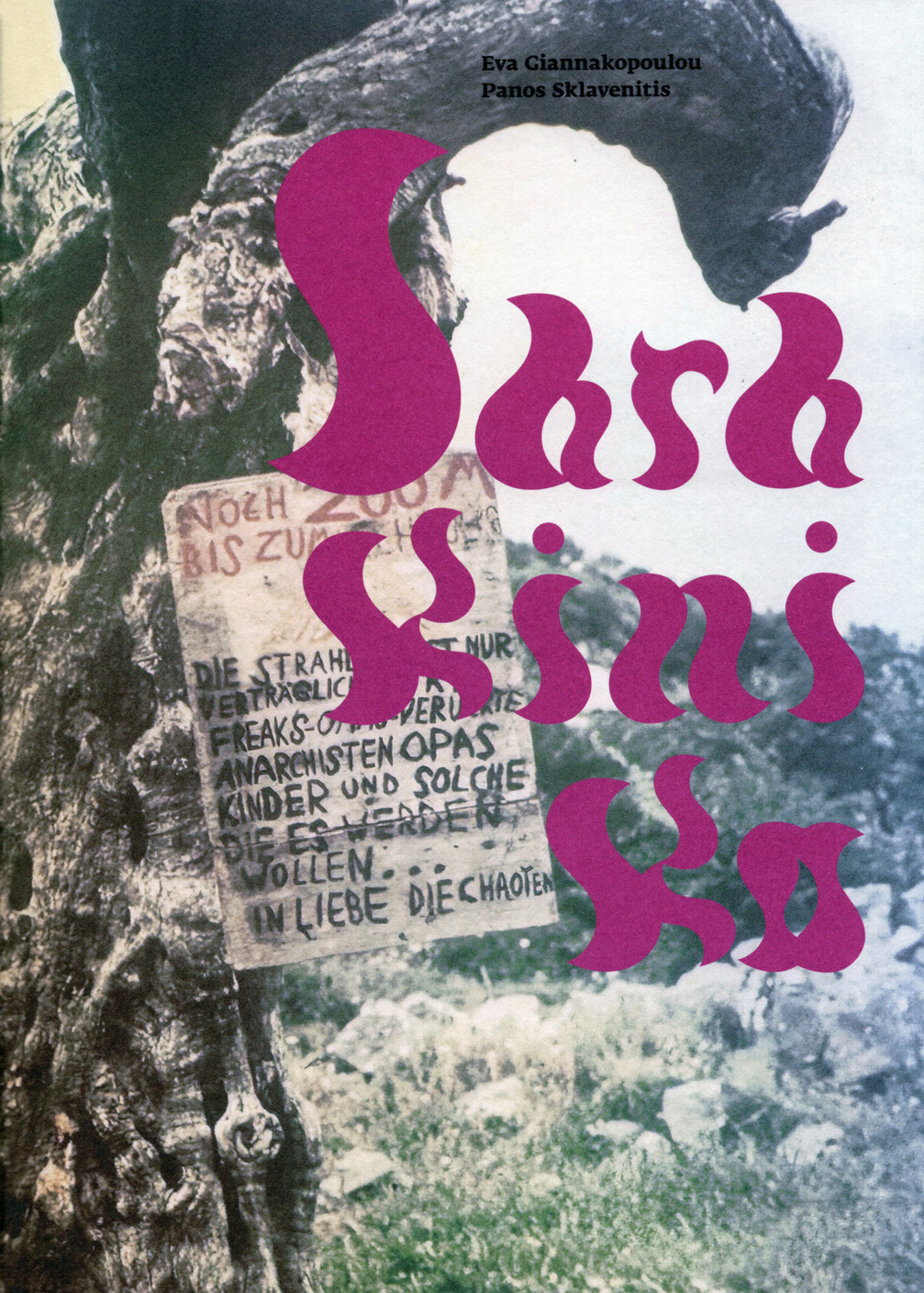
Sarakiniko
Eva Giannakopoulou and Panos Sklavenitis
25,00€
In November 1978, the German artist Wido Buller, from Cologne, circulated a leaflet in various German cities, issuing a rather unexpected public invitation: “We are looking for about a hundred people who are crazy enough to live on an island and attempt to develop their own idea of the social.” By founding the company ‘Sarakiniko Alternatives Leben GmbH’, he hoped to gather individuals whose combined contributions would amount to ten thousand Deutsche Marks, a sum that would allow for the purchase of sufficient land on the island of Ithaca.
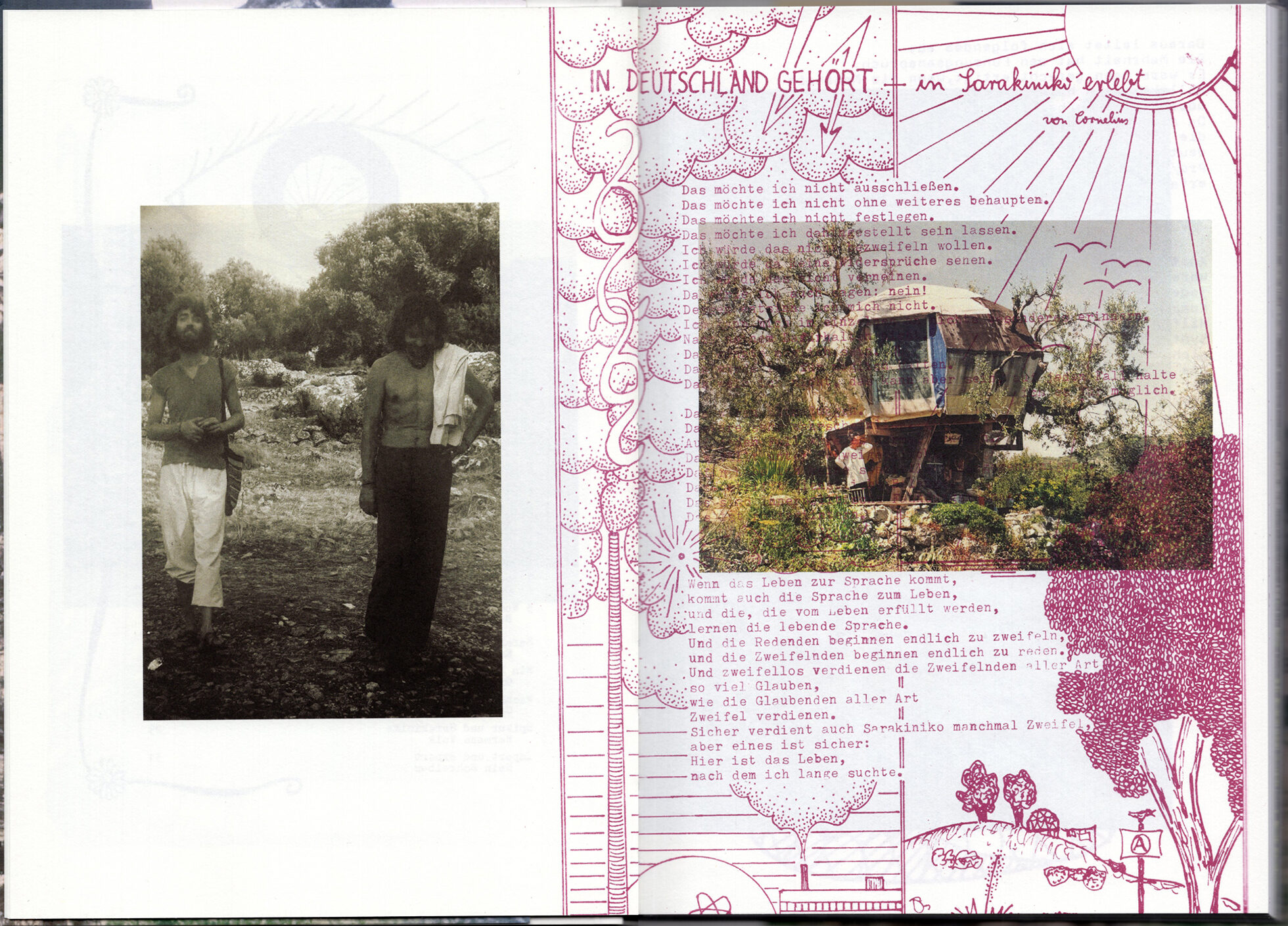
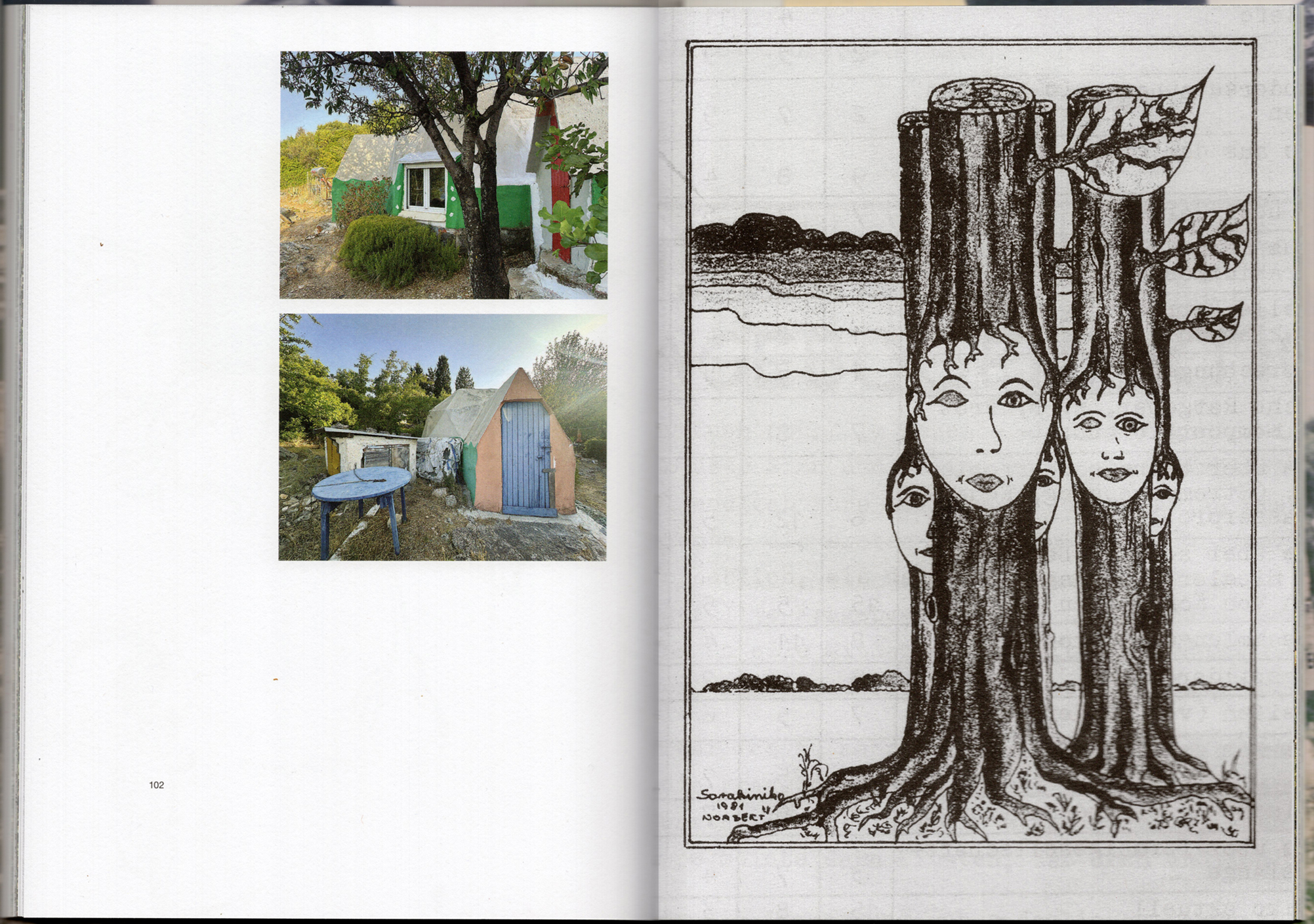
In the summer of 1979, approximately two hundred men, women, and children from Germany arrived at the “place-to-be-inhabited”: the peninsula of Sarakiniko, in southeastern Ithaca. There, on an area of four hundred and eighty acres (roughly 48 hectares), an ecological settlement was established, structured around communal social forms and small-scale economic practices, with emphasis on organic cultivation, animal husbandry, handicrafts, and alternative forms of energy and technology. It was one of the largest and most dynamic communal living experiments in Europe during the 1970s.
The Sarakiniko community functioned exemplary during its early years. However, differing ideological orientations, internal rivalries, the difficulty of cultivating the barren land using strictly ecological methods, and persistent financial pressures gradually led the project into decline. The community began to lose its communal character, and by 1986 a large portion of its residents had permanently abandoned the endeavor. Today, only a few inhabitants remain in Sarakiniko, some dividing their lives between Germany and Greece, while others return only for what have now become, more or less, conventional summer holidays.
The bibliography concerning the “Sarakiniko experiment” is limited. The project has been documented in a small number of articles, mainly in the German and Greek press, and in two documentaries. In January 1987, the series Fifth Season produced by Hellenic Broadcasting Corporation (ERT SA) presented the documentary “Utopia: Sarakiniko of Ithaca”; later, in 2010, Thomas Schmitt produced the Arte documentary “Trauminsel revisited. 30 Jahre Sarakiniko Alternatives Leben GmbH.”
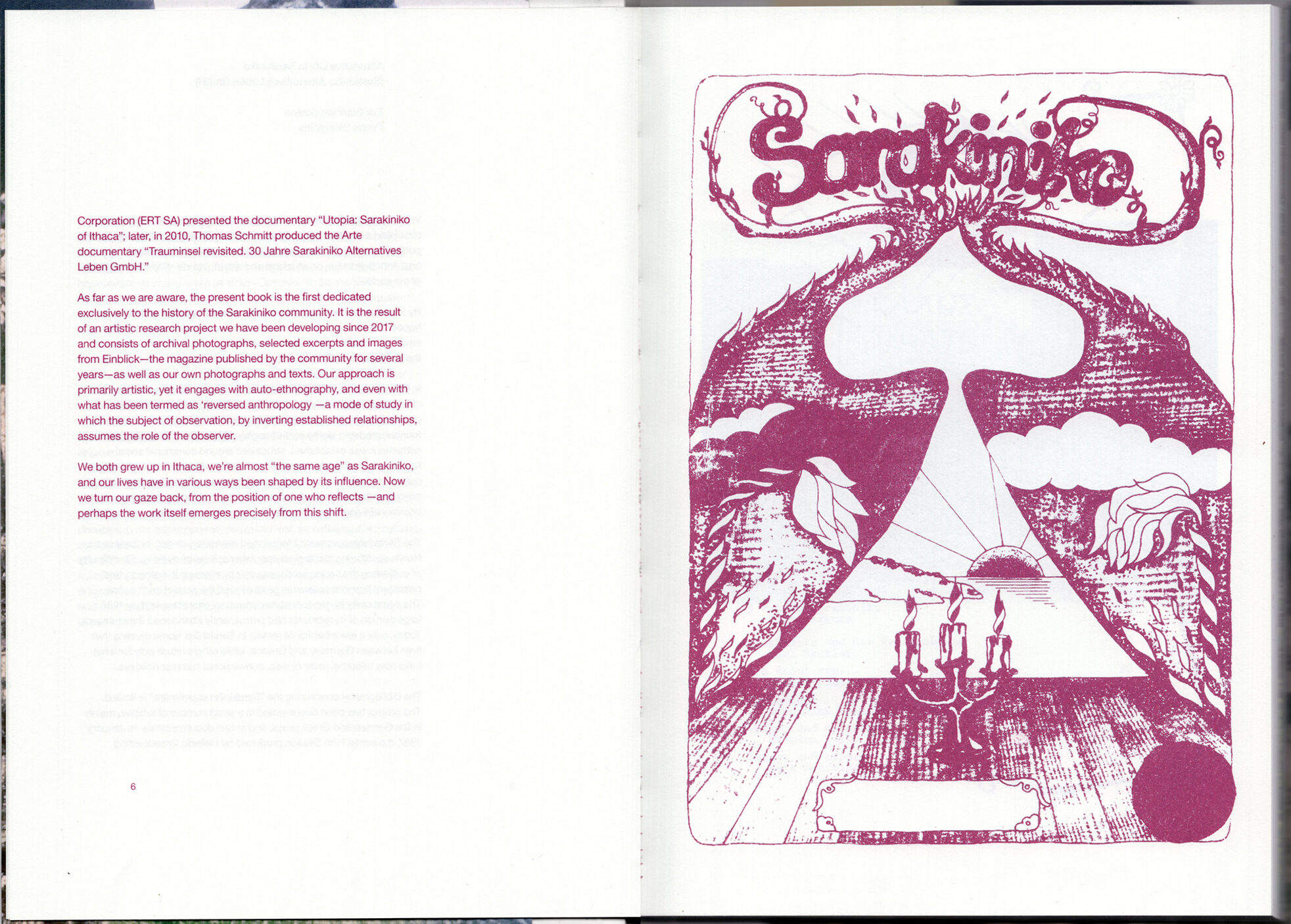
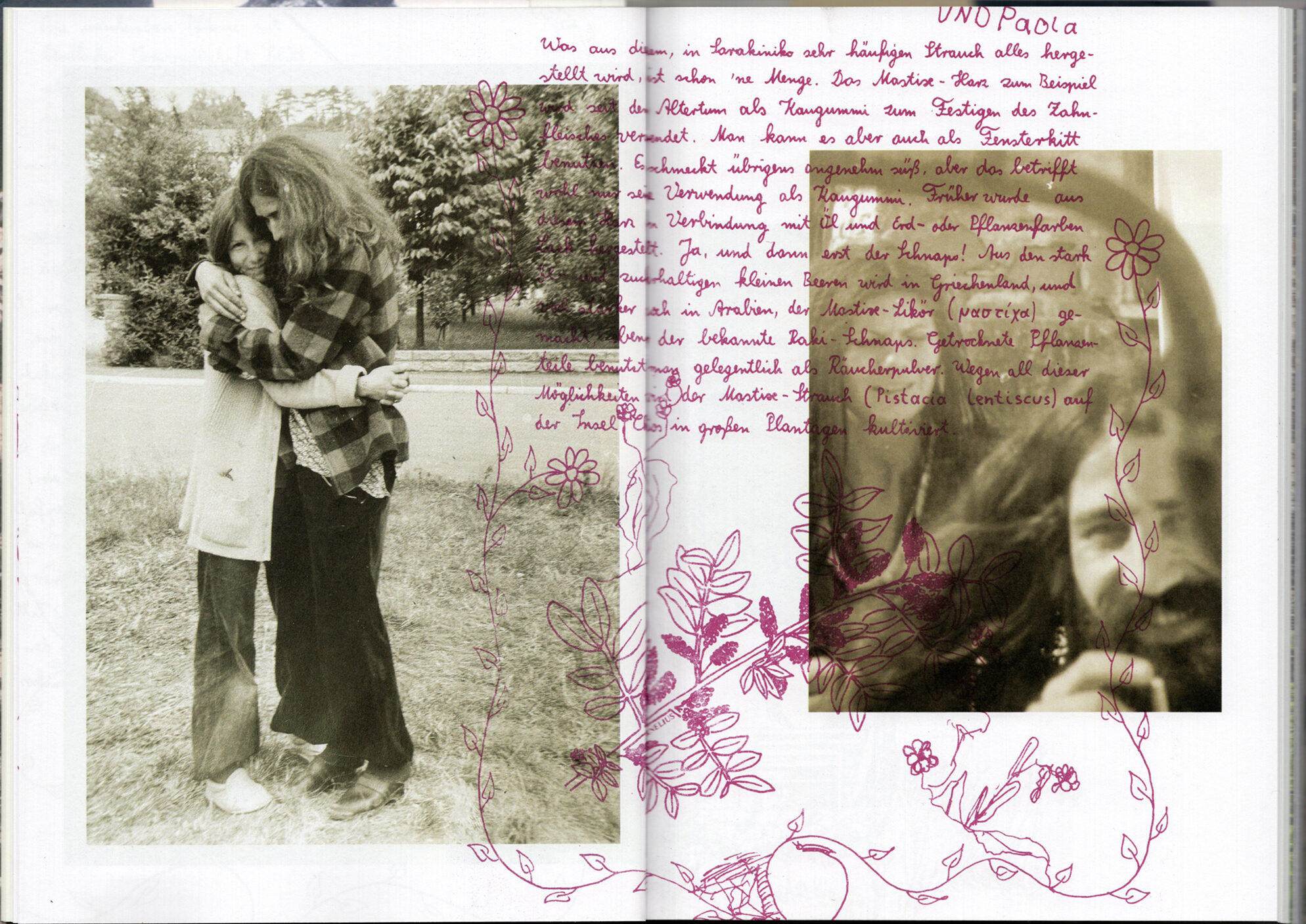
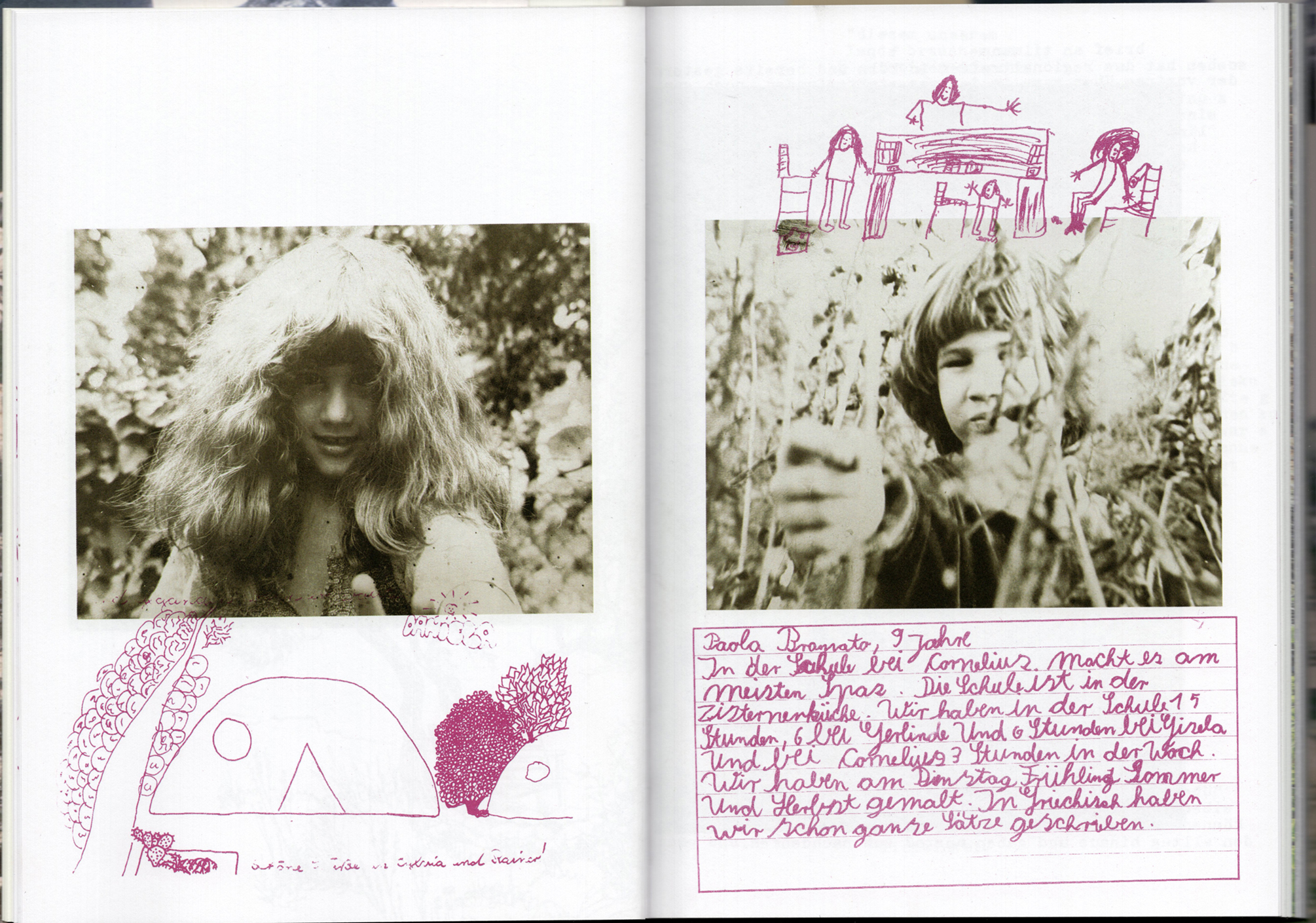
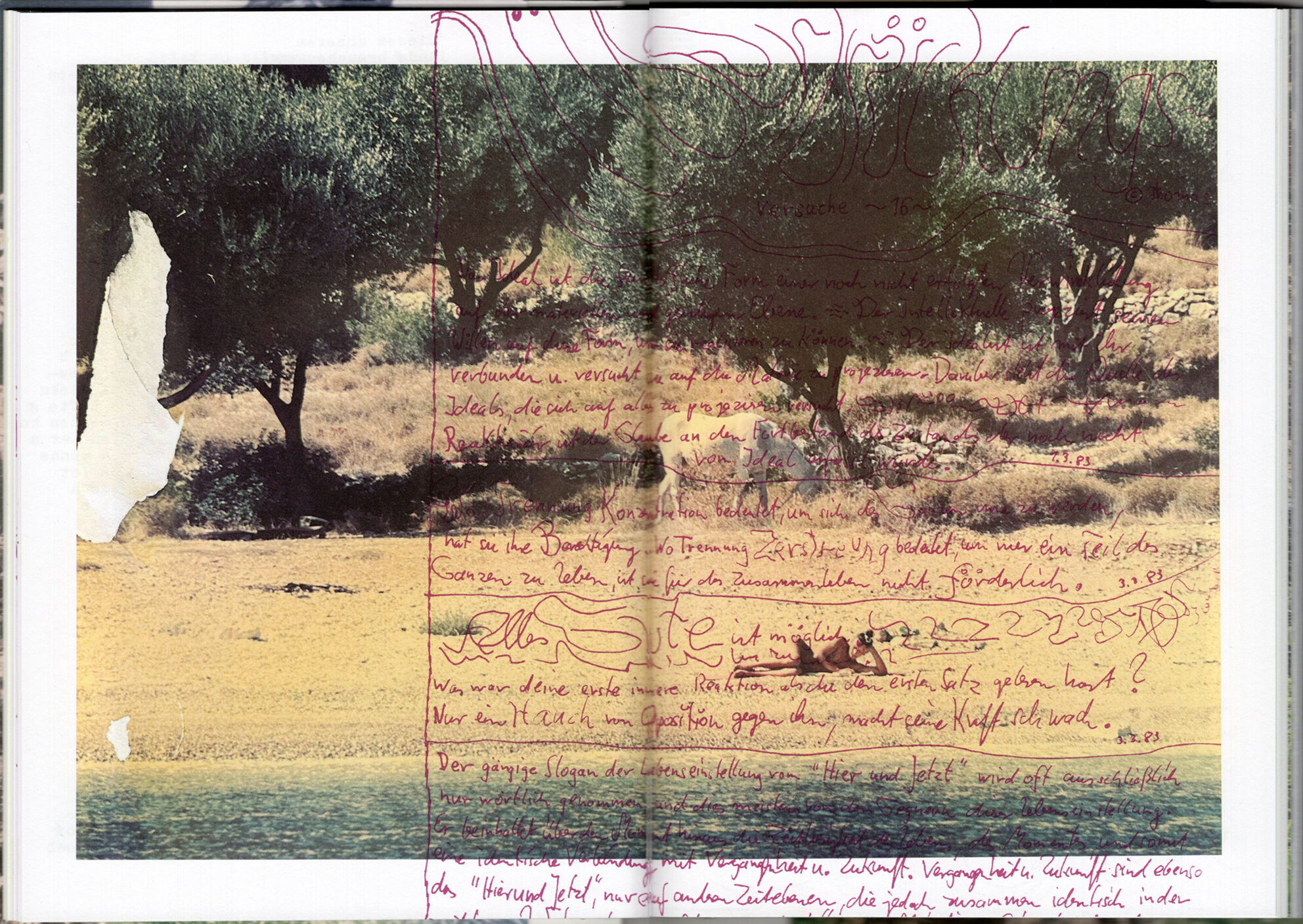
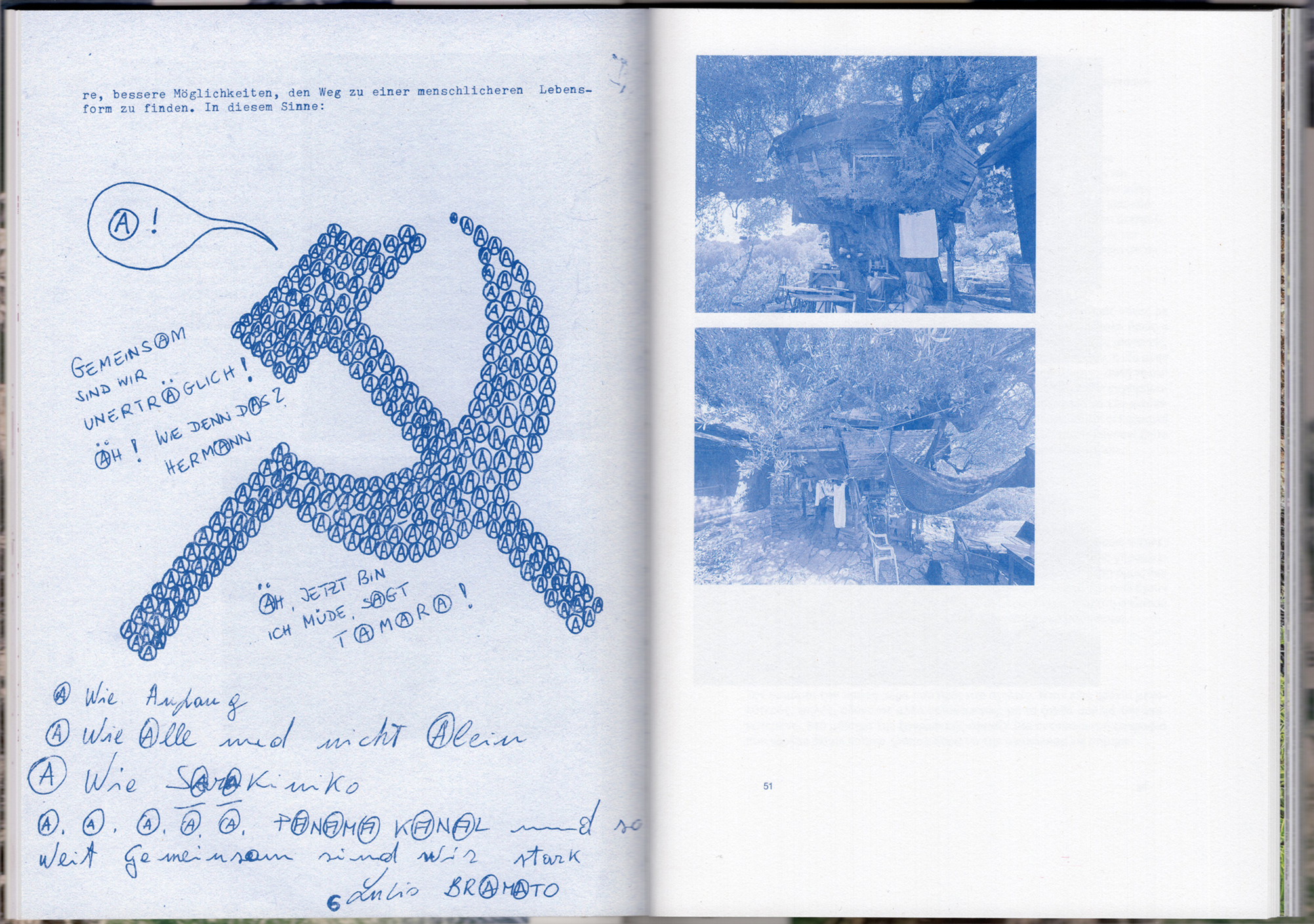
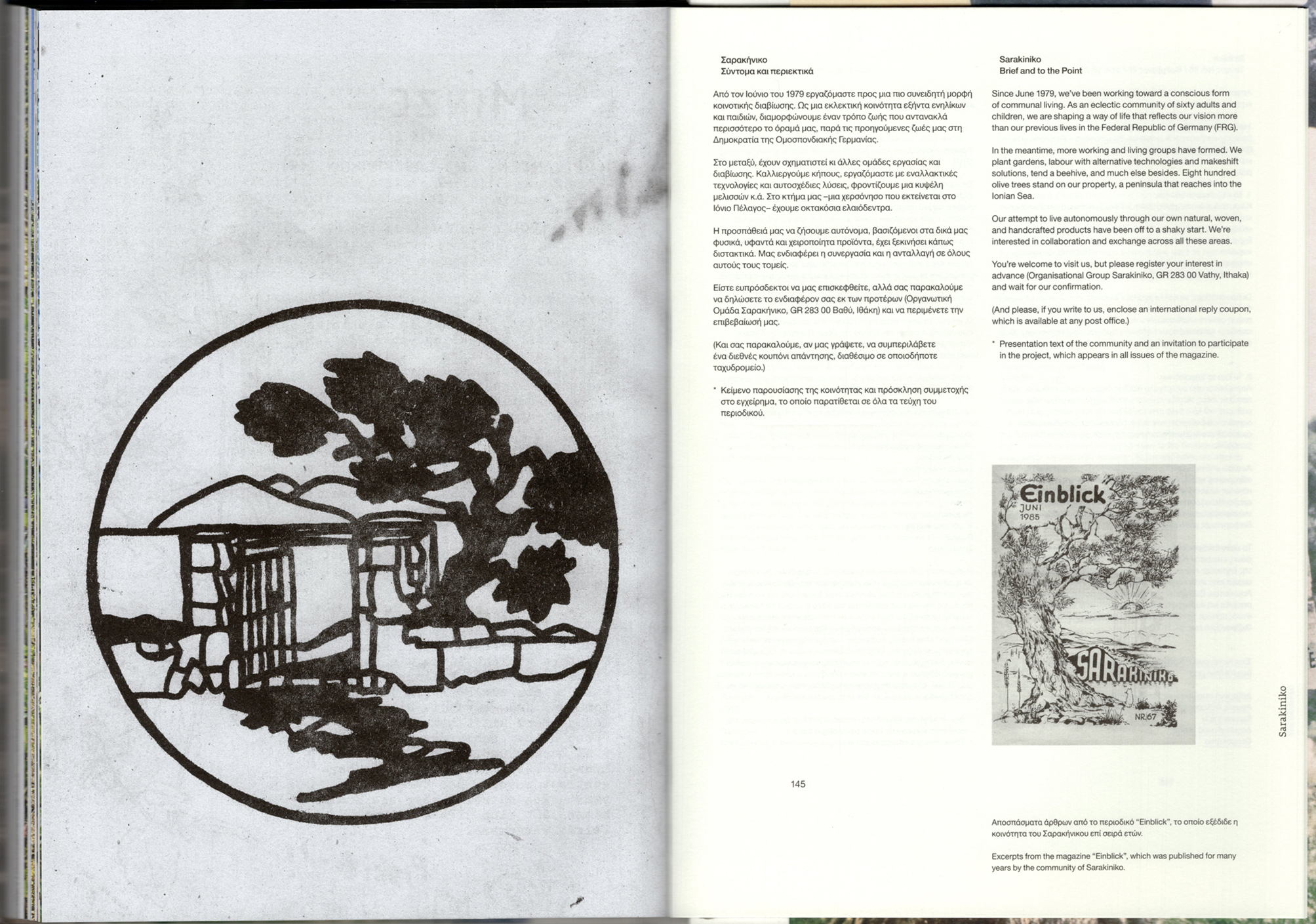
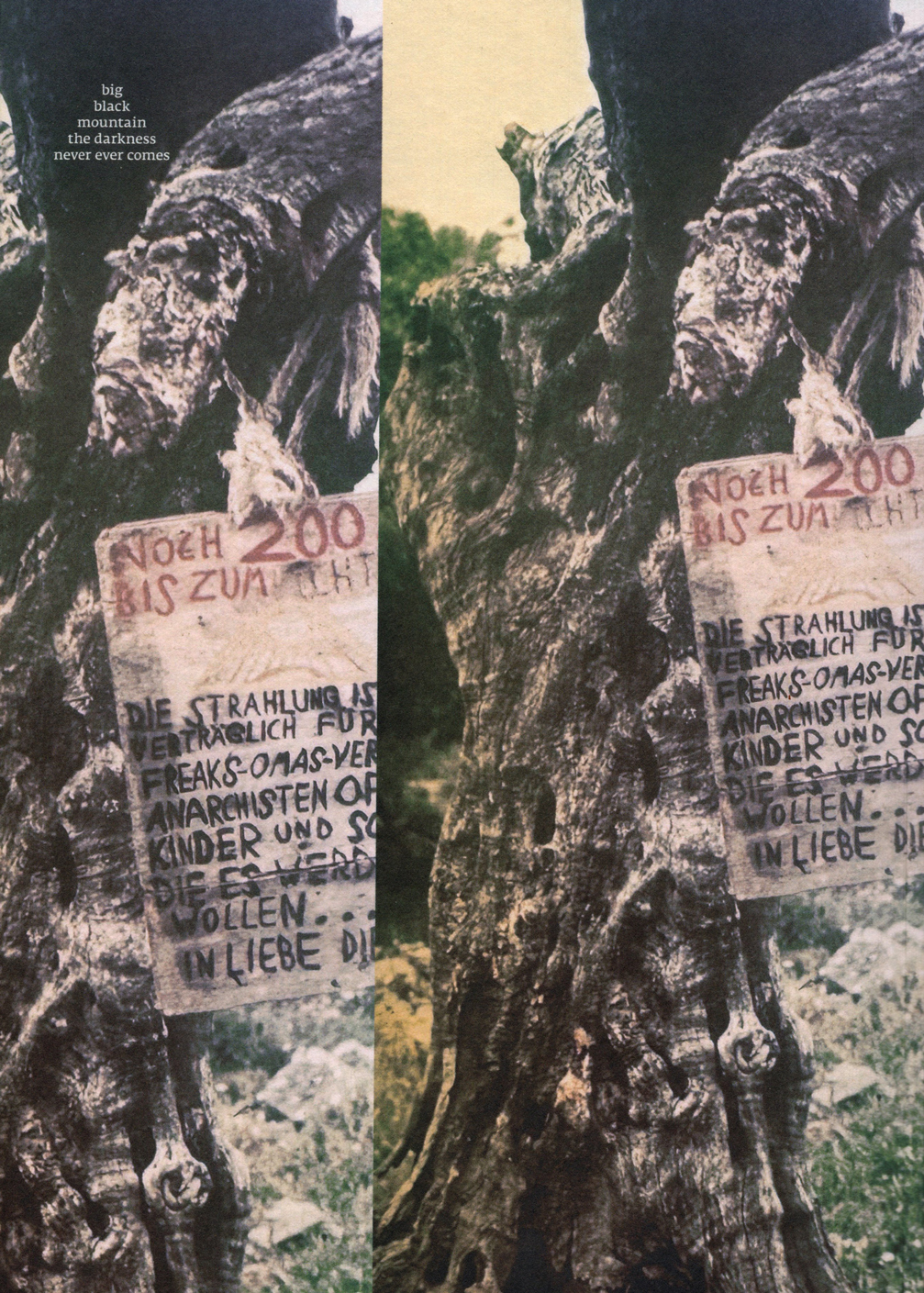
As far as we are aware, the present book is the first dedicated exclusively to the history of the Sarakiniko community. It is the result of an artistic research project we have been developing since 2017 and consists of archival photographs, selected excerpts and images from Einblick—the magazine published by the community for several years—as well as our own photographs and texts. Our approach is primarily artistic, yet it engages with auto-ethnography, and even with what has been termed as ‘reversed anthropology —a mode of study in which the subject of observation, by inverting established relationships, assumes the role of the observer.
We both grew up in Ithaca, we’re almost “the same age” as Sarakiniko, and our lives have in various ways been shaped by its influence. Now we turn our gaze back, from the position of one who reflects —and perhaps the work itself emerges precisely from this shift. —Eva Giannakopoulou and Panos Sklavenitis
Edited by Eva Giannakopoulou and Panos Sklavenitis
Design by Studio Lialios Vazoura
Language: Greek, English
Pages: 160
Format: 170 × 240mm, soft cover, otabind
Edition: 300 copies
Produced with the kind support of the Municipality of Ithaca
January, 2026
ISBN: 978-618-87122-6-3